
Table of contents
What makes a trip linger in your memory long after the photos fade, and why do some destinations feel instantly familiar while others remain just a backdrop? Across Europe and beyond, a quiet shift is reshaping travel habits: visitors are trading checklist tourism for experiences led by locals, driven by record demand for hands-on activities and by platforms that make small-group outings easier to book. The result is a different kind of journey, one built around skills, stories, and human connection, not just landmarks.
Experiences are now the real itinerary
Skip the museum line, follow the noise of a market, and suddenly the city changes. That instinct is increasingly backed by data: travelers are prioritizing activities over passive sightseeing, and they are doing it at scale. Tourism Economics, an Oxford Economics company, expects global travel spending to keep rising through the decade, with city breaks and short-haul travel remaining resilient, yet the composition of that spend is shifting toward “in-destination” purchases, such as tours, tastings, workshops, and guided micro-experiences. In parallel, the World Travel & Tourism Council estimates that travel and tourism’s total contribution to global GDP returned to near pre-pandemic highs in the early 2020s, a rebound that has encouraged destinations to diversify beyond the classic monument circuit.
This is not just a matter of taste, it is also a matter of time. Many travelers have fewer vacation days and a higher expectation of “value per hour,” which pushes them toward curated activities that compress learning and access into a single afternoon. A pasta-making class with a local chef, a sunrise bike ride with a guide who knows which streets stay quiet, or a behind-the-scenes visit to a craft workshop offers a fast track into the place, and it often includes something that urban tourism has been missing: conversation. Social media has amplified the trend, but it did not create it; the deeper driver is the sense that cities cannot be understood from their façades alone, and that the most meaningful travel moments tend to involve participation, not observation.
When locals lead, cities feel different
Ask anyone who travels often what they remember, and the answer is rarely “a building.” It is the small human detail: the vendor who explains how to choose ripe fruit, the guide who points to a doorway and tells you what used to happen there, the musician who turns a casual drink into an impromptu lesson on the city’s sound. Local-led activities work because they provide context, and context is what turns a pretty street into a story. In major destinations that struggle with overtourism, this approach can also redistribute visitor flows, pulling people away from the same crowded arteries and into neighborhoods that can absorb tourism more sustainably, provided the activity is designed with residents in mind.
There is also a trust factor. In an era of review culture, travelers look for experiences that feel vetted, transparent about what is included, and clear on group size. Smaller groups typically mean better access and fewer compromises, but they also reflect a broader expectation that travel should be more respectful and less extractive. The best local experiences are not “authentic” because a brochure says so, they are authentic because they are rooted in real routines, seasonal rhythms, and working lives. That could mean joining a food tour built around what is actually in the market that morning, learning a craft from an artisan who still supplies local customers, or taking a photography walk led by someone who knows how light and architecture interact at different hours.
The hidden economics behind unique activities
There is a practical reason unique activities are booming: they can make a trip more predictable financially, even when the destination itself is expensive. Travelers often underestimate how quickly costs add up in a big city, especially once meals, taxis, and last-minute tickets enter the picture. Booking a defined activity can act like a budget anchor because it bundles expertise, logistics, and sometimes food or transport into one price, and it reduces the likelihood of costly improvisation. This matters as inflation has reshaped travel decision-making, particularly for families and for younger travelers balancing experiences with tight budgets.
For destinations, the economics run deeper than a single booking. Activities help spread tourism revenue beyond hotels and headline attractions, supporting guides, drivers, cooks, artisans, and small venues. They also extend the visitor day: a traveler who might have left the city center after a museum visit may stay longer for an evening food experience or a neighborhood walk, and that additional time tends to translate into spending in places that do not benefit from mass tourism. The strongest experiences are also resilient in the face of weather or seasonal swings, because they can move indoors, adjust routes, or lean into seasonal specialties rather than relying on a single famous viewpoint. Done well, they create repeatability, not just in the sense that travelers can book them again, but in the sense that a destination becomes a place you return to, not merely pass through.
How to book smarter, not harder
So how do you find the kind of activity that actually transforms your trip, and not the kind that feels like a standardized product with a local label? Start with the fundamentals: group size, route transparency, what is included, and what you will do with your hands or your attention. The most rewarding activities usually involve an element of learning, whether it is cooking, tasting, making, walking with a theme, or understanding a neighborhood through history and everyday life. Reviews help, but the best signal is specificity, because detailed descriptions tend to reflect real planning and a guide who knows what matters to guests.
Then look at timing. A city can feel like two different places depending on the hour: early-morning walks can deliver calm and better photos, and late-afternoon experiences often capture the shift from workday to evening ritual. Booking in advance is increasingly important in high-demand destinations, particularly for small-group activities that cap participant numbers. If you are building a trip around experiences, it can help to browse options before you finalize accommodation, because the activity locations may influence where you want to stay. For travelers planning time in Italy’s northern capital, a useful starting point is https://www.milan-trip.com/, which gathers ideas for discovering the city through activities rather than through monuments alone.
Before you go: timing, money, and perks
Plan your bookings early, especially on weekends and during peak months, and keep a small buffer for weather or last-minute changes. Set a realistic activity budget, because one well-chosen experience can replace several mediocre stops. Check whether your hotel, city pass, or regional promotions offer discounts, and compare cancellation terms before paying; flexibility is often worth a few extra euros.
Similar articles
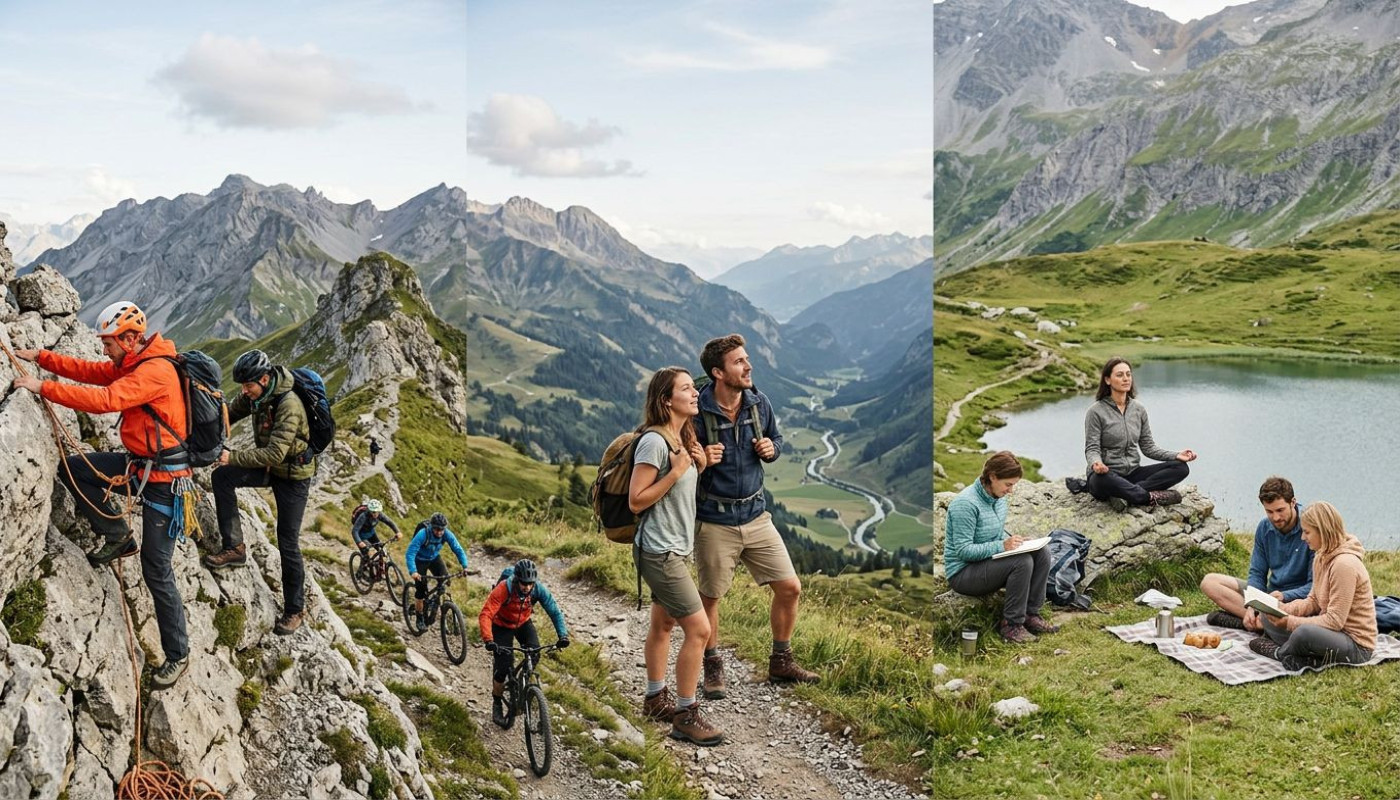
From Adrenaline To Zen: What Your Choice Of Travel Activities Says About You

Why Do Off-the-beaten-path Destinations Create Unforgettable Travel Memories?
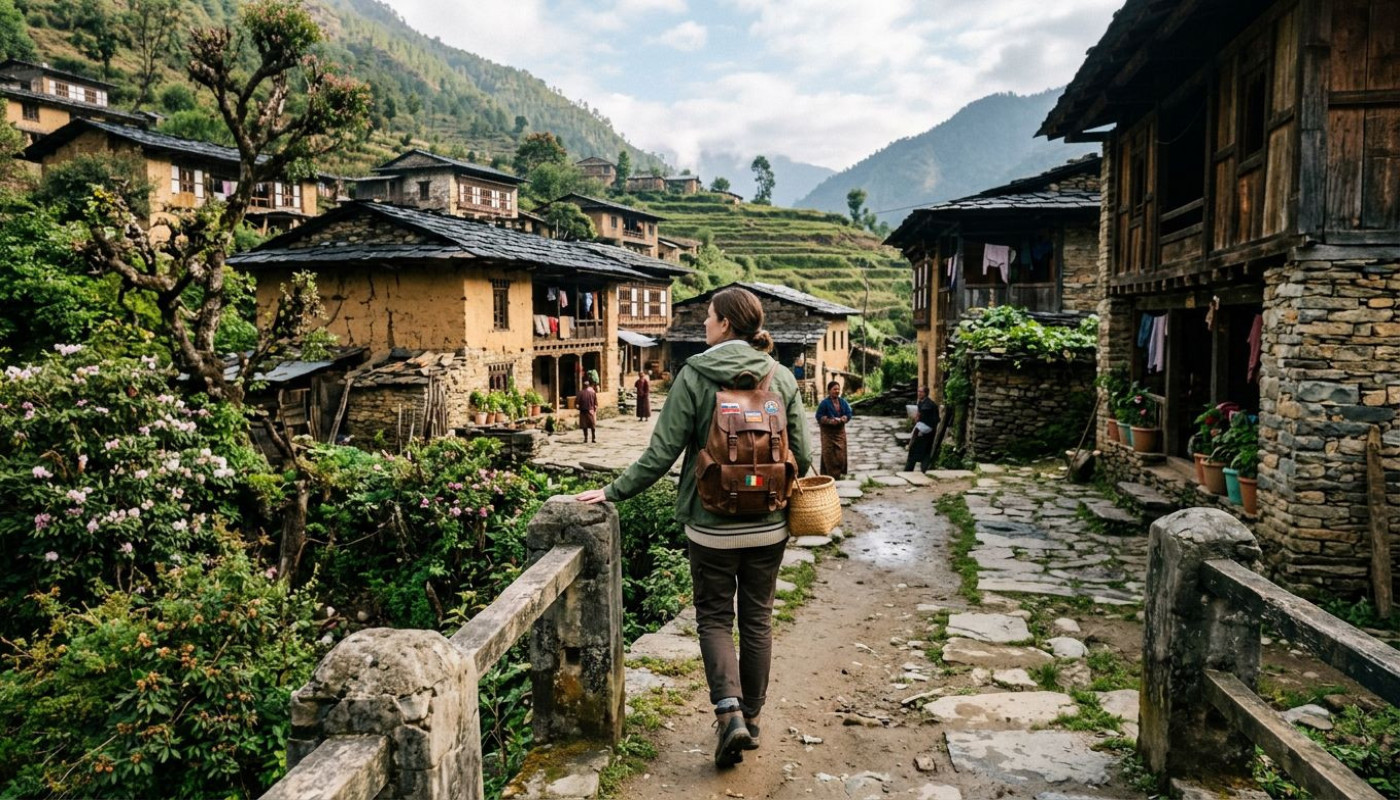
Could Hidden Villages Reshape Your Next Travel Itinerary?

Are Your Travel Activities Shaped By Local Legends Or Marketing Myths?

Adventure Sports In Wine Country: From Rock Climbing To Kayaking

Essential Packing Checklist For Your Upcoming Sailboat Holiday

Exploring The Benefits Of Renting Versus Buying Ski And Bike Equipment

Exploring The Charm Of A 3-star Boutique Hotel In Paris's 13th District

Exploring The Benefits Of Seasonal Camping In A Luxury Setting
