
Table of contents
Postcard staples are easy to love, and even easier to replicate, yet the travel moments that linger tend to happen where the itinerary stops being scripted, and where a place refuses to perform for visitors. In 2024 and 2025, overtourism debates from Barcelona to Bali, new visitor caps, and shifting airline networks have pushed many travelers to look sideways, toward smaller harbors, quieter districts, and routes that do not come with a ready-made highlight reel. The result is not just a different backdrop, but a different kind of memory, one built from friction, surprise, and real contact.
When the crowd thins, the place speaks
Ever noticed how silence changes a trip? In high-traffic landmarks, your attention splinters, you watch your bag, you manage queues, and you negotiate space for a photo, then the day becomes a checklist that could belong to anyone. Off-the-beaten-path travel flips that dynamic, because fewer people means fewer cues telling you what to feel, where to stand, and when to move on, and that opens room for a more personal narrative to form. It is the same psychological mechanism that makes certain songs “yours” when you discover them early, before they become ubiquitous, and it is why travelers often describe these destinations with language that is intimate rather than panoramic.
The data on crowding helps explain the emotional shift. In Europe, the European Travel Commission has repeatedly flagged pressure points in peak seasons, while city authorities have responded with concrete measures, from timed-entry systems in museums to limits on short-term rentals, and even cruise restrictions in some ports. Where density is high, satisfaction can dip: long waits, higher prices, and reduced access to public space are not just inconveniences, they are memory killers because they crowd out the sensory details that make experiences distinctive. Step into a lesser-known neighborhood, a smaller island, or a secondary wine valley, and you are more likely to hear local cadence, notice storefront rituals, and register the texture of daily life, and those small observations tend to anchor recollection better than a single “must-see” shot.
There is also a subtle social effect: in low-volume places, interactions have consequences. A café owner remembers your order, a bus driver offers a route tip, and a shopkeeper asks why you came, because you are not interchangeable with the next hundred visitors. That reciprocity is powerful, and it creates what psychologists call “distinctiveness,” a key driver of durable memory, since the brain retains what deviates from routine. The irony is that the less a destination tries to impress you, the more it stays with you.
Serendipity beats the perfect itinerary
Plans are comforting, until they flatten everything. The most shareable trips often look efficient on paper, but efficiency is not the same as meaning, and a tightly optimized schedule leaves little room for the unexpected detour that becomes the story you tell for years. Off-the-beaten-path travel is essentially a structured invitation to serendipity, because transport can be less frequent, signage less obvious, and the “best” choice less pre-labeled, so you pay attention, you ask, and you improvise, and that improvisation is where memory tends to stick.
This is not romanticism; it is also about how we encode experiences. Novelty increases cognitive engagement, and engagement increases recall. When you navigate a small coastal town without a constant stream of TikTok prompts, you are forced to create your own hierarchy of moments, whether it is the bakery that sells out by 10 a.m., the lookout you reach after a wrong turn, or the local festival you stumble into because the street is closed and everyone is dressed up. Those events are not “top attractions,” yet they are uniquely yours, and that ownership matters because it makes the memory less like consumption and more like participation.
Travel industry trends reinforce the point. Post-pandemic, airlines have rebuilt networks unevenly, with some secondary airports gaining seasonal routes while others lose them, and that volatility has nudged travelers toward closer-to-home discoveries or toward destinations that require a few more steps to reach. Meanwhile, digital mapping has paradoxically made hidden places easier to find, but not necessarily easier to understand, because an algorithm can locate a viewpoint, yet it cannot tell you when the light is right, how the wind feels, or why locals avoid a certain road after rain. In practice, the traveler who leaves room in the day, and who accepts that a “missed” bus might lead to an unplanned lunch, often returns with the richest mental archive.
Small encounters make the biggest souvenirs
Forget the trinket, remember the exchange. In destinations that are not built around constant visitor throughput, the economy is often more mixed, and residents are less habituated to transactional interactions, so the conversations can feel less scripted. That does not mean locals owe travelers authenticity, but it does mean there is more space for genuine contact, from a chat at a market stall to a recommendation that is not designed for online ratings. These are the moments that travel marketing struggles to package, precisely because they are relational, and because they depend on timing, mood, and mutual respect.
Spending patterns also look different in these settings. Major hubs capture large volumes, but smaller destinations often distribute spending across family-run businesses, regional guides, and local transport, and that can alter the traveler’s sense of impact. According to UN Tourism, international tourism receipts have broadly recovered toward pre-2020 levels in many regions, yet the distribution of benefits remains a central policy question, and travelers increasingly say they care about where their money lands. In practical terms, choosing a less-saturated area can mean your spending supports services that residents also use, rather than only visitor-facing infrastructure, and that shared utility can make the experience feel less extractive.
There is a second layer: identity. When you meet people in places that are not constantly performing tourism, you learn how they define their home without the gloss, and you see how geography shapes rhythm, whether it is a ferry timetable, a harvest window, or the way a community plans around weather. Those details are sticky because they connect abstract “culture” to concrete constraints. For travelers who still want a sense of occasion without the crowds, water-based experiences can offer that balance, especially when they are anchored in local geography rather than spectacle, and options like https://www.sydney-spirit.com point to how a city can be rediscovered from a different angle, with a route that shifts the familiar skyline into something newly felt.
The brain remembers effort, not ease
Here is the twist: inconvenience can be a feature. When everything is frictionless, experiences blur together, but when you invest effort, your brain tags the result as valuable, and it files the memory with more weight. That effort does not need to be extreme, it can be as simple as waking early to catch a regional train, walking an extra hill to reach a viewpoint, or learning a few phrases to navigate a town where English menus are not guaranteed. The reward is not just a sense of accomplishment, but a sharper, more textured recall.
Researchers have long observed that distinctive, emotionally charged, and self-relevant events are more likely to be retained, and off-the-beaten-path travel tends to hit all three. Distinctive, because the stimuli are new; emotional, because uncertainty raises attention; self-relevant, because you are making more decisions, and those decisions become part of the story. Compare that with an iconic attraction you “do” because you feel you should: you may remember that you were there, but the sequence of moments can be interchangeable with anyone else’s, and the details fade faster than the proof photo remains.
This is also why smaller destinations can feel more restorative. With fewer competing demands, you get longer stretches of uninterrupted perception, and that can reduce the cognitive fatigue that comes from constant navigation of crowds, noise, and pricing traps. The memory that forms is not a single spike, it is a continuity, the smell of salt over several mornings, the sound of a local radio station, the cadence of a street at dusk. Those sustained impressions become the backdrop against which specific incidents stand out, and together they create what travelers later call an “unforgettable” trip, even when the itinerary looks modest.
Planning essentials before you go
Book early in peak weeks, and keep budgets realistic. In smaller destinations, accommodation supply can be limited, and last-minute options often mean higher prices or longer commutes. Look for regional passes, off-peak train fares, and bundled museum tickets where available, and check local or national tourism sites for any visitor caps, timed entries, or resident-only zones that could affect access.
Similar articles
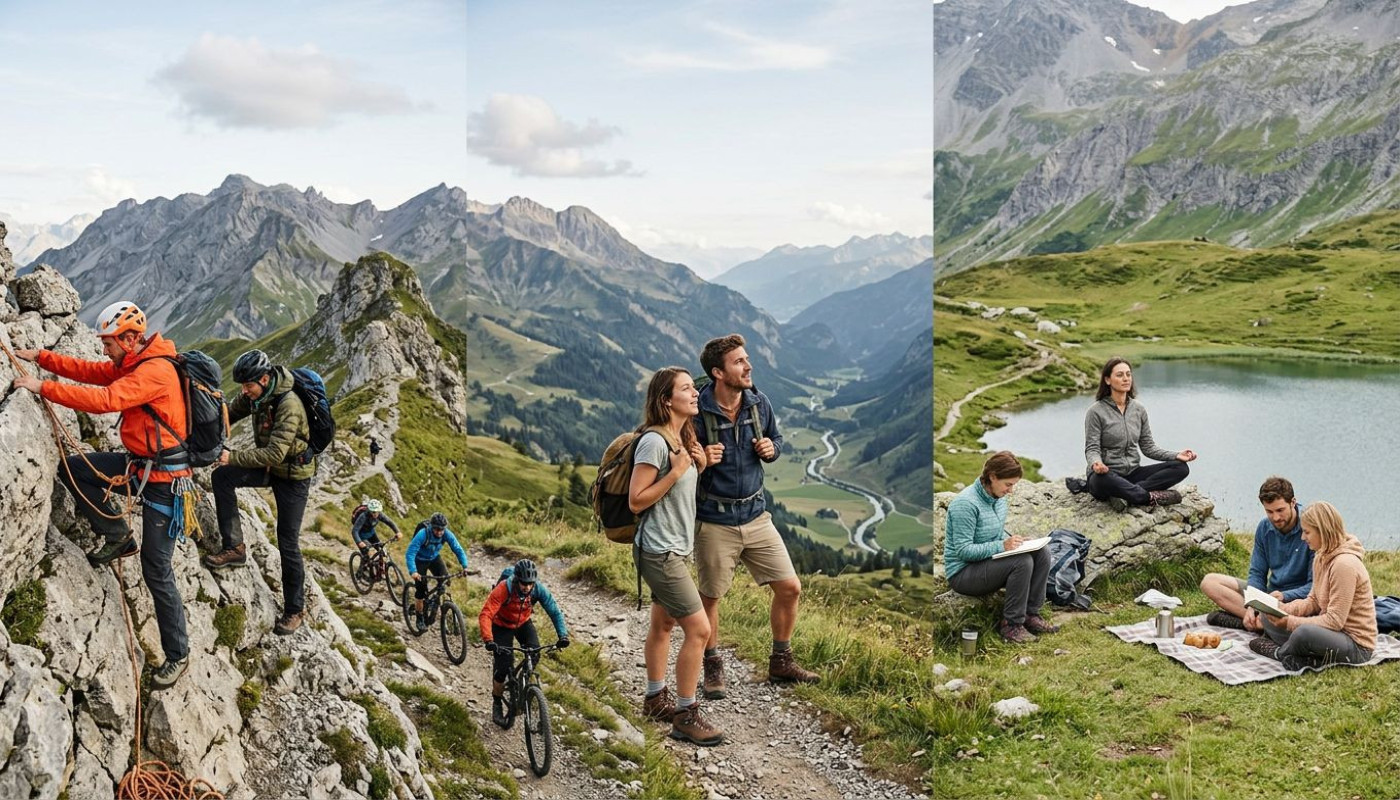
From Adrenaline To Zen: What Your Choice Of Travel Activities Says About You

Beyond Sightseeing: How Unique Local Activities Transform Your Journey
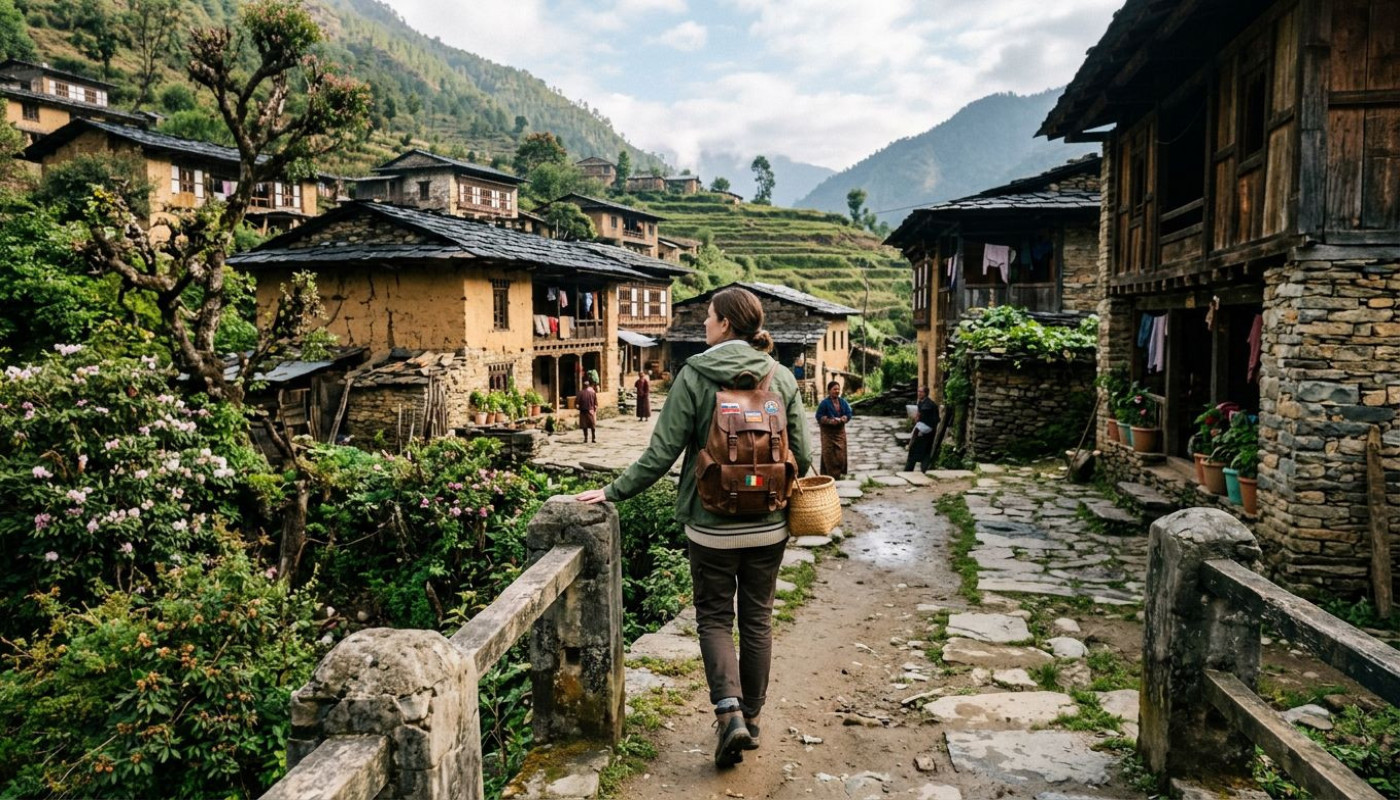
Could Hidden Villages Reshape Your Next Travel Itinerary?

Are Your Travel Activities Shaped By Local Legends Or Marketing Myths?

Adventure Sports In Wine Country: From Rock Climbing To Kayaking

Essential Packing Checklist For Your Upcoming Sailboat Holiday

Exploring The Benefits Of Renting Versus Buying Ski And Bike Equipment

Exploring The Charm Of A 3-star Boutique Hotel In Paris's 13th District

Exploring The Benefits Of Seasonal Camping In A Luxury Setting
